Well Pump Troubleshooting Tips: Troubleshooting Common Well Pump Problems

A well pump is a vital part of your water system. When it stops working properly, it can disrupt your daily life. I have dealt with many well pump issues and learned how to identify and fix common problems quickly. This guide will help you understand what to look for and how to address these issues effectively.
Understanding Well Pump Troubleshooting Tips
Well pumps can fail for several reasons. Knowing the basics of well pump troubleshooting tips can save you time and money. The first step is to check the power supply. A tripped breaker or blown fuse is a common cause of pump failure. Always start with the simplest checks before moving to more complex diagnostics.
Next, inspect the pressure switch. This device controls when the pump turns on and off. Dirt or corrosion can cause it to malfunction. Cleaning or replacing the pressure switch often restores normal operation.
Another frequent issue is a clogged or damaged pump intake screen. Debris can block water flow, causing the pump to work harder or stop pumping altogether. Regular maintenance and cleaning prevent this problem.

Close-up view of a well pump pressure switch
Common Well Pump Troubleshooting Tips for Homeowners
Here are some practical well pump troubleshooting tips that I recommend:
Check the power source: Ensure the pump is receiving electricity. Test the circuit breaker and fuses.
Inspect the pressure tank: A waterlogged pressure tank can cause the pump to cycle frequently. Tap the tank; a hollow sound means air is present, while a dull thud indicates water.
Test the pressure switch: Look for corrosion or dirt. Clean the contacts or replace the switch if needed.
Examine the pump motor: Listen for unusual noises like humming or grinding. These sounds may indicate motor failure.
Look for leaks: Check all pipes and fittings for water leaks that reduce pressure.
Check the well water level: Low water levels can cause the pump to run dry and overheat.
Following these steps can help you identify the problem early and avoid costly repairs.
What are the signs that your well pump is going bad?
Recognizing the signs of a failing well pump is crucial. Here are some common symptoms I have seen:
Reduced water pressure: If your water pressure drops suddenly or fluctuates, the pump may be struggling.
No water flow: A complete loss of water usually means the pump is not working.
Pump runs continuously: If the pump never shuts off, it could be due to a faulty pressure switch or a leak.
Strange noises: Grinding, whining, or humming sounds often indicate mechanical issues.
Water discoloration or sediment: This can mean the pump is pulling in debris or the well is contaminated.
Frequent cycling: The pump turns on and off too often, which can wear it out quickly.
If you notice any of these signs, it is time to act.
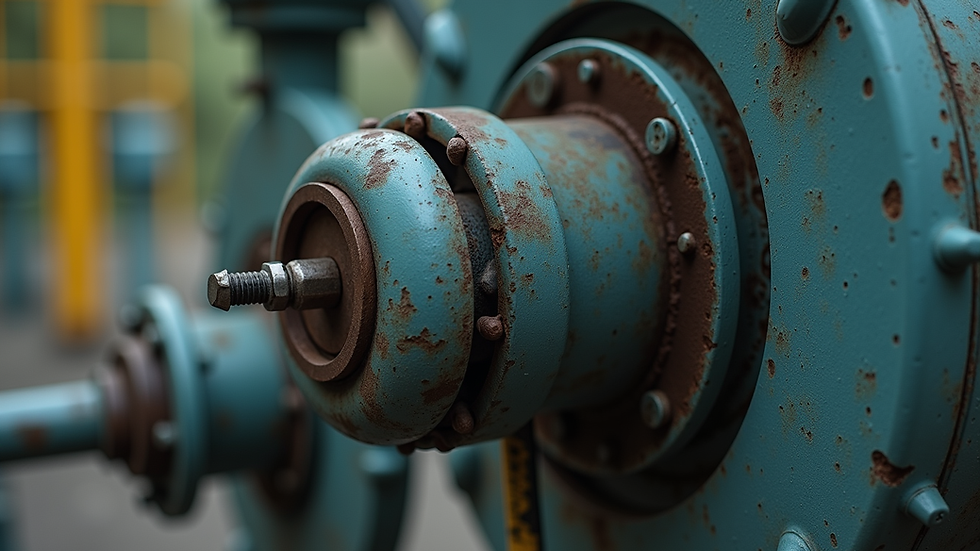
Eye-level view of a well pump motor with visible wiring
How to Fix Common Well Pump Problems
Once you identify the issue, you can take steps to fix it. Here are some solutions I have found effective:
Reset the breaker or replace fuses: This is the easiest fix for power issues.
Replace or clean the pressure switch: Remove dirt and corrosion or install a new switch.
Drain and recharge the pressure tank: If the tank is waterlogged, drain it and add air using an air compressor.
Repair leaks: Tighten fittings or replace damaged pipes.
Clean the pump intake screen: Remove debris to restore water flow.
Call a professional: For motor problems or deep well issues, expert help is often necessary.
Regular maintenance is key. Schedule annual inspections to keep your system running smoothly.
When to Seek Professional Help
Some well pump problems require specialized tools and knowledge. If you have tried basic troubleshooting without success, it is best to call a professional. Issues like motor failure, deep well pump replacement, or electrical wiring problems are complex and can be dangerous.
A qualified technician can perform detailed diagnostics and repairs safely. They also ensure your well system meets local regulations and operates efficiently.
For those in the Thunder Bay District, ON, reliable water is essential. Quick response and expert service can prevent long water outages and protect your property.
If you want to learn more about troubleshooting well pump problems, visit the Superior Water & Wells website for detailed guides and support.
Maintaining Your Well Pump for Long-Term Reliability
Preventing problems is better than fixing them. Here are some maintenance tips I recommend:
Test your water pressure monthly.
Inspect the pressure tank and switch annually.
Keep the area around the well clean and free of debris.
Schedule professional inspections every year.
Avoid running the pump dry by monitoring water levels.
By following these steps, you can extend the life of your well pump and avoid emergencies.
This guide provides clear, practical advice for troubleshooting common well pump problems. Use these tips to keep your water flowing reliably. When in doubt, seek professional help to protect your home and water supply.


Comments